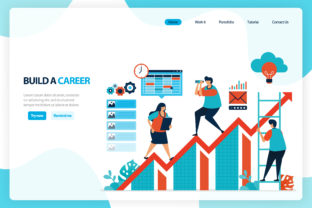
Chart in Achieving Business Goals: A Practical Guide for Success
Whether you're running a small business, managing a team, or working on your own projects, having a clear roadmap is essential. That's where Chart in Achieving Business Goals comes into play. This tool isn't just about numbers and graphs—it's about turning abstract ideas into actionable steps that lead to real results.
Imagine you're an entrepreneur launching a new product. You have a vision, but how do you break it down into manageable parts? Or maybe you're a manager trying to align your team's efforts with company objectives. In these situations, a well-structured chart can be the difference between confusion and clarity.
Where and When to Use Chart in Achieving Business Goals
Chart in Achieving Business Goals is versatile and can be used in various scenarios. For instance, when planning a marketing campaign, you might use it to track key performance indicators (KPIs) like website traffic, conversion rates, or social media engagement. It helps you visualize progress and identify areas that need improvement.
In a professional setting, project managers often rely on such charts to monitor timelines, allocate resources, and ensure deadlines are met. They can also use it to present updates to stakeholders, making complex data easier to understand.
For educators or trainers, Chart in Achieving Business Goals can help students or participants track their learning progress. It provides a visual representation of goals, milestones, and achievements, which can be motivating and informative.
Realistic Use Cases Across Different Fields
Let’s look at a few examples of how different users can benefit from Chart in Achieving Business Goals:
- Entrepreneurs: When starting a new business, tracking financial goals, customer acquisition, and operational efficiency becomes crucial. A chart can help identify trends and make informed decisions.
- Freelancers: Managing multiple clients and projects can be overwhelming. A goal chart can help freelancers prioritize tasks, set realistic deadlines, and measure productivity over time.
- Marketers: Campaign performance can be unpredictable. By using a chart, marketers can compare different strategies, assess ROI, and adjust tactics accordingly.
- Students: Academic success often depends on consistent effort. A chart can help students track study habits, exam preparation, and overall progress toward their educational goals.
Each of these scenarios shows how Chart in Achieving Business Goals can be tailored to specific needs, making it a valuable asset in both personal and professional contexts.
How Different Users Benefit in Different Situations
The value of Chart in Achieving Business Goals lies in its adaptability. What works for a startup founder may not be the same for a corporate team leader, but the core principles remain relevant.
For example, a small business owner might use the chart to monitor monthly sales targets, while a nonprofit organization could track fundraising progress. Both are using the same concept but applying it to different goals.
Consider a scenario where a teacher uses a chart to track student participation in class discussions. The chart helps identify which students are engaging and which may need more support. Similarly, a coach might use a chart to monitor athletes' training routines and performance metrics.
These examples show that Chart in Achieving Business Goals is not limited to one industry or role. It's a universal tool that can be customized to fit any situation.
What to Consider Before Using Chart in Achieving Business Goals
Before diving into using Chart in Achieving Business Goals, it's important to think about your specific needs. Ask yourself: What are my main objectives? What data points are most relevant to me? How will I use this information?
Some users might find it helpful to start with a simple template before customizing it. Others may prefer to build their own from scratch. The key is to choose a format that aligns with your workflow and makes sense for your goals.
Also, consider the tools you already have. If you're using project management software, check if it has built-in charting features. If not, you might need to integrate a separate tool or create a manual chart.
Another thing to keep in mind is the frequency of updates. Some charts may need daily or weekly reviews, while others might only require monthly checks. Understanding how often you'll need to revisit the chart ensures it remains useful and up-to-date.
Connecting Features to Real Outcomes
The real power of Chart in Achieving Business Goals comes from how it translates data into action. For instance, if a business sees a decline in customer satisfaction scores, the chart can highlight this trend and prompt a review of service practices.
Or, if a team consistently misses deadlines, the chart can reveal patterns that lead to better time management strategies. These insights aren’t just about tracking progress—they’re about driving improvement.
Think of it as a feedback loop. The more you engage with the chart, the more you learn about what works and what doesn’t. Over time, this leads to smarter decisions and more effective outcomes.
Conclusion: Embrace the Power of Visual Planning
Chart in Achieving Business Goals is more than just a visual aid—it's a strategic tool that helps people stay focused, measure progress, and achieve their objectives. Whether you're managing a project, growing a business, or working on personal development, incorporating a chart into your routine can make a significant difference.
By understanding how and why to use it, you can unlock new levels of efficiency and success. So, take the time to explore, experiment, and apply Chart in Achieving Business Goals in ways that suit your unique needs and aspirations.